 Call Us : 08045812334 Call Us : 08045812334
 Get A Quote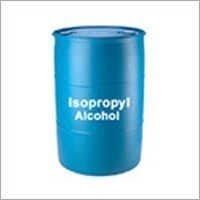
Isopropyl Alcohol
200 INR/Kilograms
Product Details:
- Taste Bitter
- Ph Level Neutral to slightly acidic (5-7)
- Melting Point 183°C to 185°C
- Poisonous YES
- Physical Form Powder
- Smell Stimulus
- Refractive Rate 1.597
- Click to View more
X
Isopropyl Alcohol Price And Quantity
- 10000 Unit
- 250.00 - 400.00 INR/Kilograms
- 200 INR/Kilograms
Isopropyl Alcohol Product Specifications
- Slightly soluble in water highly soluble in ethanol and other organic solvents
- Powder
- YES
- Stimulus
- 1.597
- Bitter
- 183°C to 185°C
- Neutral to slightly acidic (5-7)
Isopropyl Alcohol Trade Information
- 100 Unit Per Day
- 2-3 Days
Product Description
Isopropyl alcohol (IUPAC name propan-2-ol; commonly called isopropanol or 2-propanol) is a colorless, flammable chemical compound (chemical formula CH3CHOHCH3) with a strong odor.[8] As an isopropyl group linked to a hydroxyl group, it is the simplest example of a secondary alcohol, where the alcohol carbon atom is attached to two other carbon atoms. It is a structural isomer of 1-propanol and ethyl methyl ether.
It is used in the manufacture of a wide variety of industrial and household chemicals and is a common ingredient in chemicals such as antiseptics, disinfectants, and detergents
isopropyl alcohol were used in the United States, mostly as a solvent for coatings or for industrial processes. In that year, 5400 metric tons were used for household purposes and in personal care products. Isopropyl alcohol is popular in particular for pharmaceutical applications,[16] due to its low toxicity. Some isopropyl alcohol is used as a chemical intermediate. Isopropyl alcohol may be converted to acetone, but the cumene process is more significant. It is also used as a gasoline additive.[16]
Isopropyl alcohol dissolves a wide range of non-polar compounds. It also evaporates quickly, leaves nearly zero oil traces, compared to ethanol, and is relatively non-toxic, compared to alternative solvents. Thus, it is used widely as a solvent and as a cleaning fluid, especially for dissolving oils. Together with ethanol, n-butanol, and methanol, it belongs to the group of alcohol solvents, about 6.4 million tonnes of which were used worldwide in 2011.[19]
Isopropyl alcohol is commonly used for cleaning eyeglasses, electrical contacts, audio or video tape heads, DVD and other optical disc lenses, removing thermal paste from heatsinks on CPUs and other IC packages, etc.
Isopropyl alcohol is esterified to give isopropyl acetate, another solvent. It reacts with carbon disulfide and sodium hydroxide to give sodium isopropylxanthate, a herbicide and an ore flotation reagent.[20] Isopropyl alcohol reacts with titanium tetrachloride and aluminium metal to give titanium and aluminium isopropoxides, respectively, the former a catalyst, and the latter a chemical reagent.[16] This compound may serve as a chemical reagent in itself, by acting as a dihydrogen donor in transfer hydrogenation.
Rubbing alcohol, hand sanitizer, and disinfecting pads typically contain a 60-70% solution of isopropyl alcohol or ethanol in water. Water is required to open up membrane pores of bacteria, which acts as a gateway for isopropyl alcohol. A 75% v/v solution in water may be used as a hand sanitizer.[21] Isopropyl alcohol is used as a water-drying aid for the prevention of otitis externa, better known as swimmer's ear.[22]
Although isopropyl alcohol can be used for anesthesia, its many negative attributes or drawbacks prohibit this use. Isopropyl alcohol can also be used similarly to ether as a solvent[23] or as an anesthetic by inhaling the fumes or orally. Early uses included using the solvent as general anesthetic for small mammals[24] and rodents by scientists and some veterinarians. However, it was soon discontinued, as many complications arose, including respiratory irritation, internal bleeding, and visual and hearing problems. In rare cases, respiratory failure leading to death in animals was observed.
Isopropyl alcohol is a major ingredient in "gas dryer" fuel additives. In significant quantities, water is a problem in fuel tanks, as it separates from gasoline and can freeze in the supply lines at low temperatures. Alcohol does not remove water from gasoline, but the alcohol solubilizes water in gasoline. Once soluble, water does not pose the same risk as insoluble water, as it no longer accumulates in the supply lines and freezes but is consumed with the fuel itself. Isopropyl alcohol is often sold in aerosol cans as a windshield or door lock deicer. Isopropyl alcohol is also used to remove brake fluid traces from hydraulic braking systems, so that the brake fluid (usually DOT 3, DOT 4, or mineral oil) does not contaminate the brake pads and cause poor braking. Mixtures of isopropyl alcohol and water are also commonly used in homemade windshield washer fluid.
As a biological specimen preservative, isopropyl alcohol provides a comparatively non-toxic alternative to formaldehyde and other synthetic preservatives. Isopropyl alcohol solutions of 70-99% are used to preserve specimens.
Isopropyl alcohol is often used in DNA extraction. A lab worker adds it to a DNA solution to precipitate the DNA, which then forms a pellet after centrifugation. This is possible because DNA is insoluble in isopropyl alcohol.
It is used in the manufacture of a wide variety of industrial and household chemicals and is a common ingredient in chemicals such as antiseptics, disinfectants, and detergents
isopropyl alcohol were used in the United States, mostly as a solvent for coatings or for industrial processes. In that year, 5400 metric tons were used for household purposes and in personal care products. Isopropyl alcohol is popular in particular for pharmaceutical applications,[16] due to its low toxicity. Some isopropyl alcohol is used as a chemical intermediate. Isopropyl alcohol may be converted to acetone, but the cumene process is more significant. It is also used as a gasoline additive.[16]
Isopropyl alcohol dissolves a wide range of non-polar compounds. It also evaporates quickly, leaves nearly zero oil traces, compared to ethanol, and is relatively non-toxic, compared to alternative solvents. Thus, it is used widely as a solvent and as a cleaning fluid, especially for dissolving oils. Together with ethanol, n-butanol, and methanol, it belongs to the group of alcohol solvents, about 6.4 million tonnes of which were used worldwide in 2011.[19]
Isopropyl alcohol is commonly used for cleaning eyeglasses, electrical contacts, audio or video tape heads, DVD and other optical disc lenses, removing thermal paste from heatsinks on CPUs and other IC packages, etc.
Isopropyl alcohol is esterified to give isopropyl acetate, another solvent. It reacts with carbon disulfide and sodium hydroxide to give sodium isopropylxanthate, a herbicide and an ore flotation reagent.[20] Isopropyl alcohol reacts with titanium tetrachloride and aluminium metal to give titanium and aluminium isopropoxides, respectively, the former a catalyst, and the latter a chemical reagent.[16] This compound may serve as a chemical reagent in itself, by acting as a dihydrogen donor in transfer hydrogenation.
Rubbing alcohol, hand sanitizer, and disinfecting pads typically contain a 60-70% solution of isopropyl alcohol or ethanol in water. Water is required to open up membrane pores of bacteria, which acts as a gateway for isopropyl alcohol. A 75% v/v solution in water may be used as a hand sanitizer.[21] Isopropyl alcohol is used as a water-drying aid for the prevention of otitis externa, better known as swimmer's ear.[22]
Although isopropyl alcohol can be used for anesthesia, its many negative attributes or drawbacks prohibit this use. Isopropyl alcohol can also be used similarly to ether as a solvent[23] or as an anesthetic by inhaling the fumes or orally. Early uses included using the solvent as general anesthetic for small mammals[24] and rodents by scientists and some veterinarians. However, it was soon discontinued, as many complications arose, including respiratory irritation, internal bleeding, and visual and hearing problems. In rare cases, respiratory failure leading to death in animals was observed.
Isopropyl alcohol is a major ingredient in "gas dryer" fuel additives. In significant quantities, water is a problem in fuel tanks, as it separates from gasoline and can freeze in the supply lines at low temperatures. Alcohol does not remove water from gasoline, but the alcohol solubilizes water in gasoline. Once soluble, water does not pose the same risk as insoluble water, as it no longer accumulates in the supply lines and freezes but is consumed with the fuel itself. Isopropyl alcohol is often sold in aerosol cans as a windshield or door lock deicer. Isopropyl alcohol is also used to remove brake fluid traces from hydraulic braking systems, so that the brake fluid (usually DOT 3, DOT 4, or mineral oil) does not contaminate the brake pads and cause poor braking. Mixtures of isopropyl alcohol and water are also commonly used in homemade windshield washer fluid.
As a biological specimen preservative, isopropyl alcohol provides a comparatively non-toxic alternative to formaldehyde and other synthetic preservatives. Isopropyl alcohol solutions of 70-99% are used to preserve specimens.
Isopropyl alcohol is often used in DNA extraction. A lab worker adds it to a DNA solution to precipitate the DNA, which then forms a pellet after centrifugation. This is possible because DNA is insoluble in isopropyl alcohol.
Exceptional Solubility Profile
The powdered isopropyl alcohol stands out due to its high solubility in ethanol and other organic solvents, while remaining only slightly soluble in water. This property makes it a preferred choice for formulations where compatibility with organic phases is critical.
Precise Physical Characteristics
It boasts a distinct melting point between 183C and 185C, a bitter taste, and a perception-stimulating odor. Its refractive index of 1.597 makes it valuable for certain analytical and manufacturing processes where these aspects are essential considerations.
Distributed Nationwide in India
As a leading distributor, supplier, and trader, we ensure timely and reliable dispatch of isopropyl alcohol powder throughout India. Our quality assurance and deep storage capacity guarantee supply for both large-scale and niche industry needs.
FAQ's of Isopropyl Alcohol:
Q: What are the primary uses of powdered isopropyl alcohol?
A: Powdered isopropyl alcohol is used in specialized chemical synthesis, pharmaceutical formulation, and as a reagent in research applications. Its solubility characteristics also make it suitable for organic solvent-based processes.Q: How is powdered isopropyl alcohol different from the liquid form?
A: Unlike the commonly used liquid isopropyl alcohol, the powder form offers unique solubility properties in organic solvents and is specifically utilized in applications where water content must be minimized.Q: Where is this product mainly distributed in India?
A: We supply and trade powdered isopropyl alcohol throughout various regions in India, catering to industrial hubs, laboratories, and manufacturing zones with reliable delivery networks.Q: What is the recommended process for handling this poisonous compound safely?
A: Due to its toxic nature, always use gloves, protective clothing, and work in a well-ventilated area or under fume extraction. Store it away from food and incompatible substances, strictly adhering to all safety data guidelines.Q: When should powdered isopropyl alcohol be chosen over other forms?
A: Opt for the powder when your process demands minimal water incorporation, enhanced solubility in organic solvents, or a precise melting point control in chemical syntheses.Q: What benefits does this product offer to industrial or laboratory users?
A: Its powder form allows greater control in dosing and avoids excess moisture, which is crucial for certain pharmaceutical and chemical production processes. High purity and solubility in organics present additional formulation advantages.Tell us about your requirement

Price:
Quantity
Select Unit
- 50
- 100
- 200
- 250
- 500
- 1000+
Additional detail
Mobile number
Email

Other Products in 'Chemicals' category

Sonipat, Haryana

- 582,, HSIIDC Industrial Area, Rai, Sonipat - 131029, Haryana, India
- Phone : 08045812334


 Send Inquiry
- Mr Naveen Jain (Director)
- Mobile :08045812334
- KAILASH CHEMICALS
(A UNIT OF SHANTI FOOD INDUSTRIES)
Marketing Office : 46 Phase -II Second Floor, Badli Industrial Estate Badli, Delhi-110042
Head Office Address : 582, Food Park HSIIDC Industrial Area Rai, Haryana - 131029


 Send Inquiry
 Send SMS
 Call Me Free
|

SHANTI FOOD INDUSTRIES
All Rights Reserved.(Terms of Use)
Developed and Managed by Infocom Network Private Limited.
Developed and Managed by Infocom Network Private Limited.

